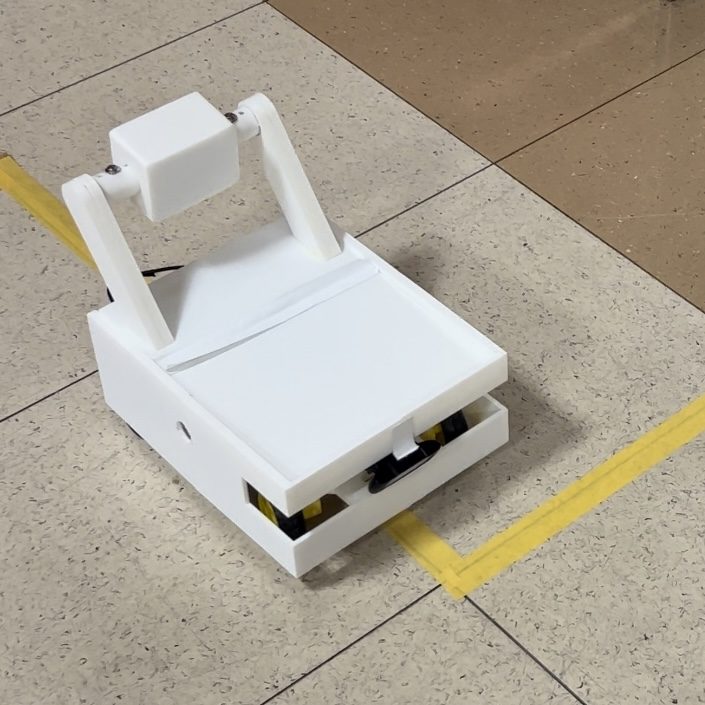
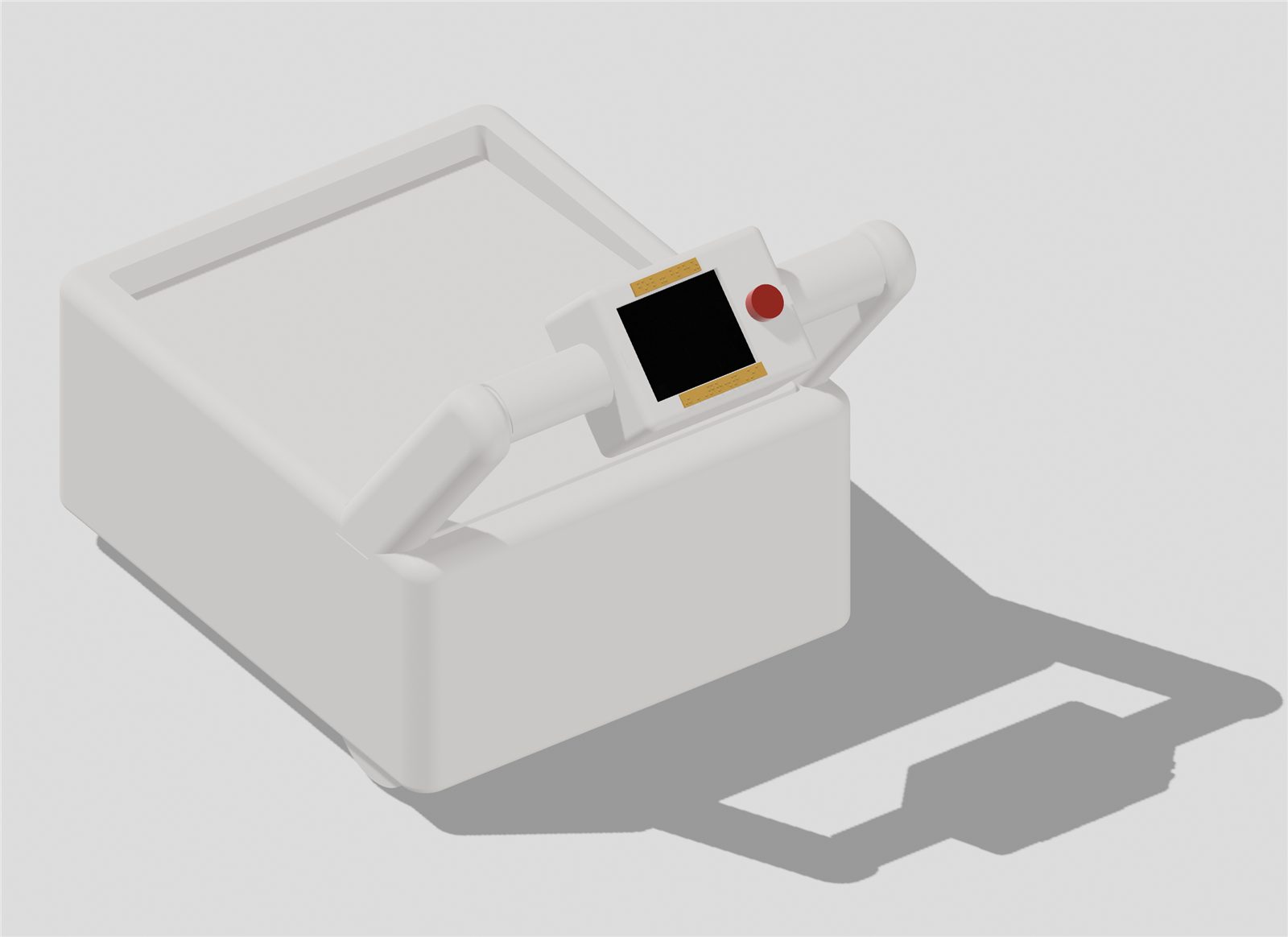
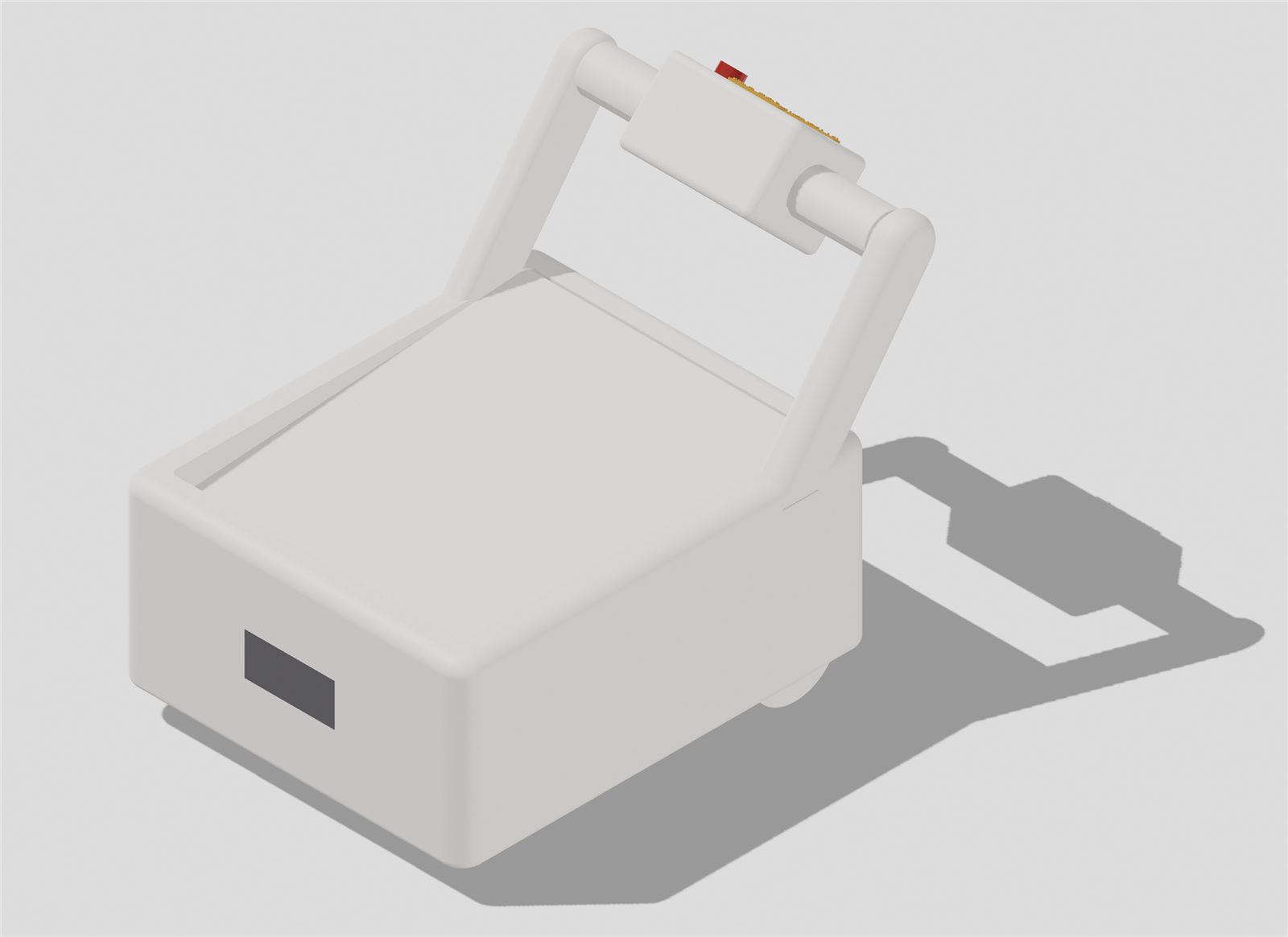
EZBOT — Walking Aid Robot for the Visually Impaired
The project started from a gap in accessibility: braille and tactile guidance facilities are sparsely installed across the national rail network, so we built a robot that guides visually impaired passengers to their boarding position on the platform.
We completed a prototype that could be demonstrated live at the final exhibition, and also presented it as a poster at the Rehabilitation Engineering and Assistive Technology Society of Korea (RESKO) conference.
My Part
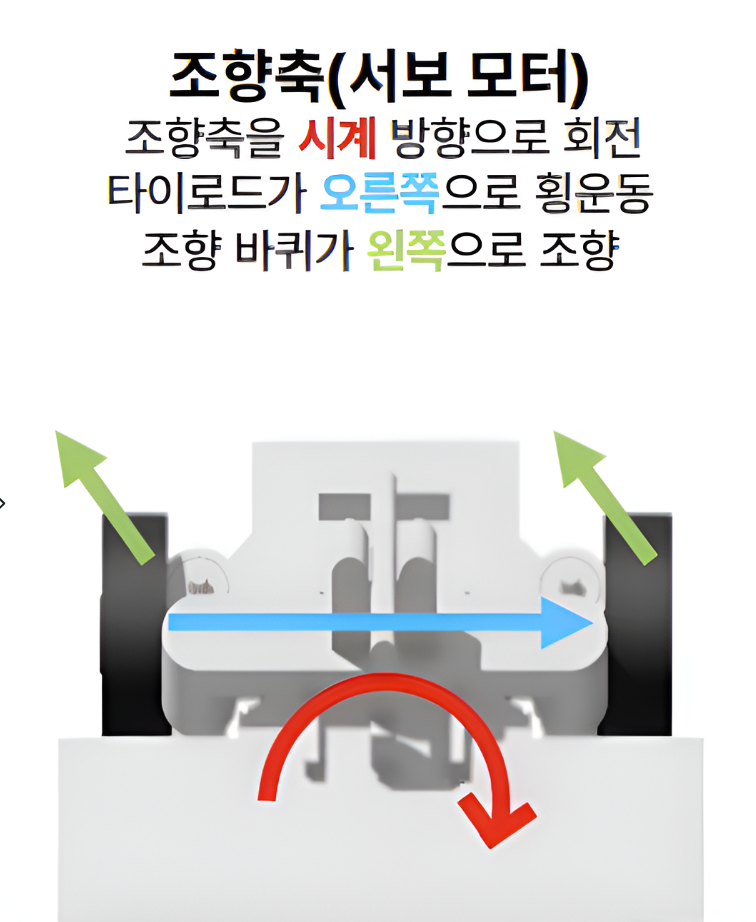
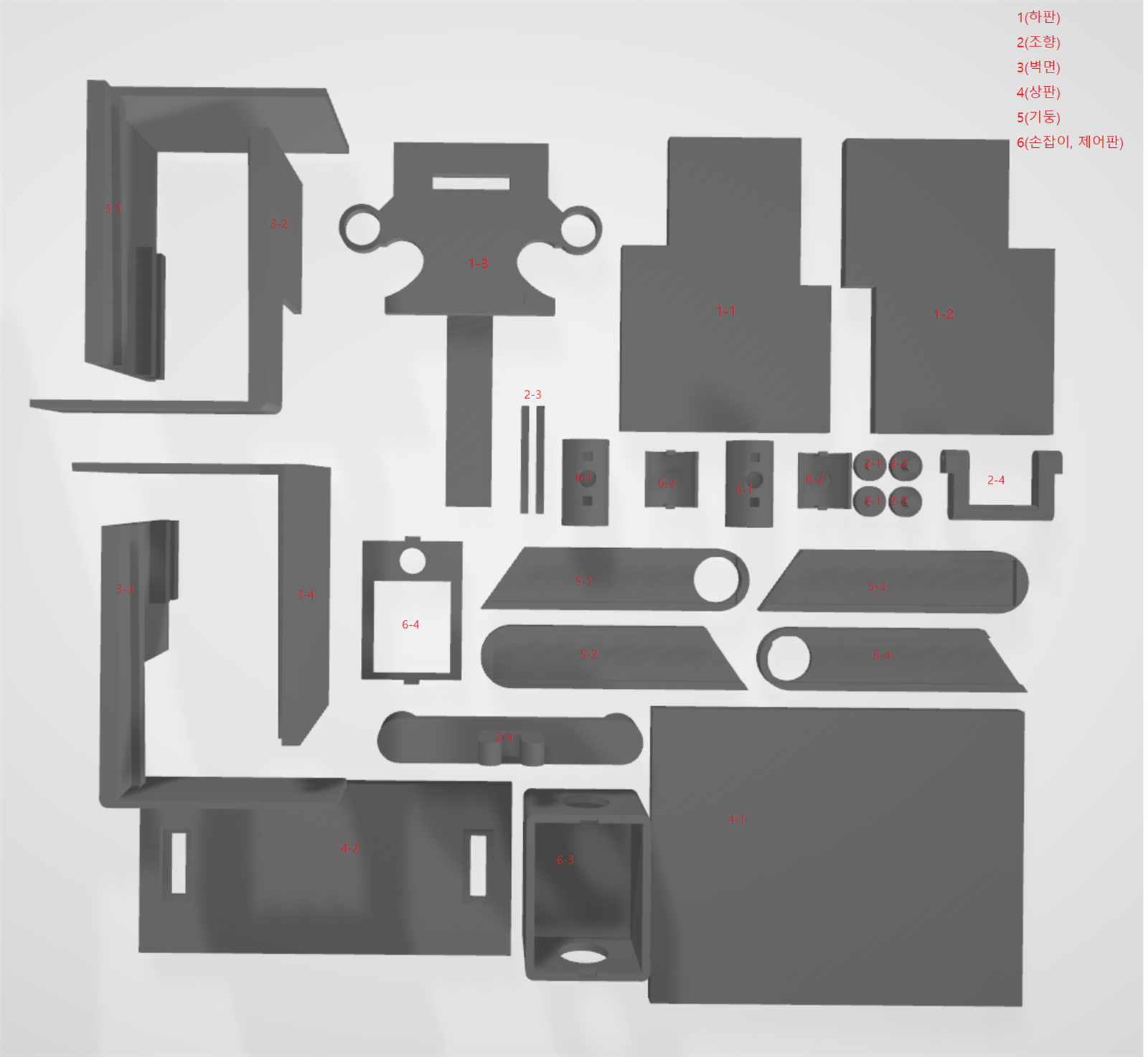
- Mechanical design and 3D printed fabrication
- Electrical wiring and wiring diagrams
- Test application for status checks and manual operation
Driving control software, QR recognition, and multilingual voice guidance were handled by teammates.
Operating Sequence
PIR sensor detects the user → ticket QR scan confirms destination and language → voice guidance → drives to the platform → calls the elevator wirelessly → returns automatically on arrival
Safety Design
- Power cut when the user releases the handle
- Ultrasonic fall detection stop
- Collision avoidance and emergency stop
What I Learned
The mechanical parts broke repeatedly during prototyping, so I reworked the geometry and cross sections several times, and converging by physical trial and error taught me a great deal about assembly and manufacturability while leaving me unable to justify a dimension with a calculation.
I am addressing that in my personal project Morium, where the power budget, torque budget, and tolerance review are written down before anything is built.
Gallery